
Colored Concrete in San Fernando, CA
WHAT WE DO
Past about 7% pigment by weight of cement, colored concrete reaches its saturation point, and adding more powder no longer deepens the shade. INFINITE CONCRETE CREATIONS, INC.
produces colored concrete in San Fernando, CA, using integral iron oxide pigments measured against the cement in each load, dry-shake color hardeners floated into the surface, and acid or water-based stains, then finishing every slab with a sealer that shields the tone from sun and stains. Our licensed and insured team holds California State License #1128122.
WHERE WE POUR
Colors Chosen to Hold Up Under Southern California Sun
San Fernando, CA, logs roughly 288 sunny days a year, so any color we place spends most of its life under direct UV. Iron oxide pigments hold up far better than dyes in that light, which is why we rely on them for exterior work. Along the bluffs of Malibu, CA, salt air and glare add wear that a quality sealer helps resist, while homes in Beverly Hills, CA, often call for driveways and courtyards tinted to suit cream stucco, terra-cotta roof tile, or limestone trim.
Ways We Bring Color Into Concrete
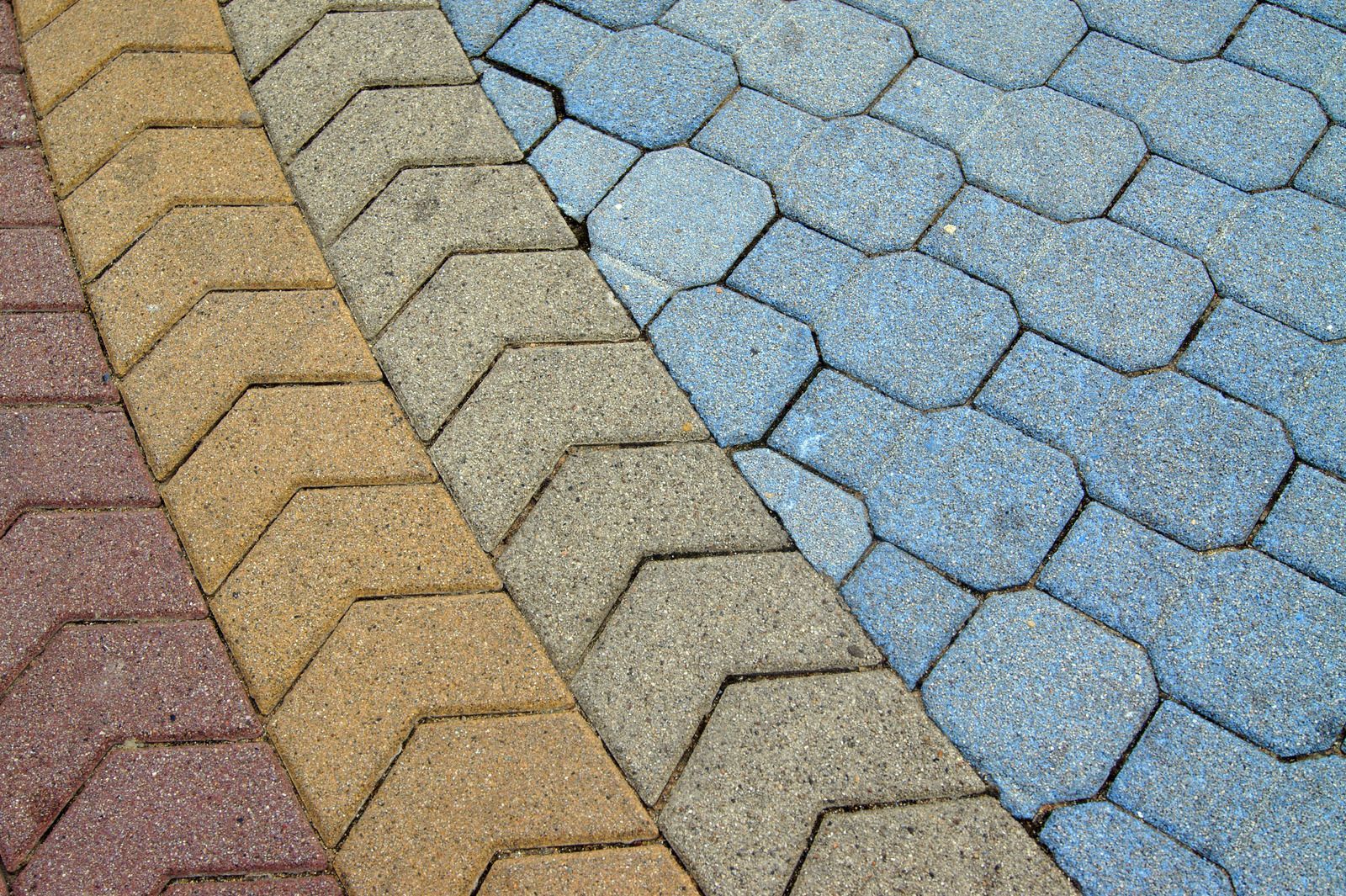
Color can live throughout the slab, sit in a dense top layer, or react with the surface after curing, and each method differs in depth, budget, and how it wears over time.
01
Integral Pigment Color
Iron oxide pigment blended into the mix colors the concrete through its full thickness. Chips and wear reveal the same shade underneath, which makes integral color a smart pick for driveways and busy walkways that take a daily beating.
02
Dry-Shake Color Hardeners
Powdered hardener broadcast onto the wet slab in two passes, then floated in, creates a dense, richly colored surface layer. It delivers brighter, more saturated tones than integral pigment alone and adds surface hardness that resists abrasion from foot traffic.
03
Acid Stain Finishes
Reactive acid stain soaks into cured concrete and chemically reacts with it, producing mottled, variegated earth tones such as brown, tan, terra cotta, and blue-green. No two slabs react identically, so every surface develops its own marbled character.
04
Water-Based Stain Finishes
Water-based stains penetrate the surface and cover a far broader spectrum, including vivid reds, yellows, and deep charcoals. They give more predictable color than acid stains and can refresh or correct older slabs that already have a tone.
05
Color Matching Existing Concrete
Additions beside an older driveway or patio rarely match by accident. We compare weathered surfaces with pigment charts, place a test area where practical, and adjust with stain afterward when needed, since batch-to-batch variation makes an exact match difficult.
06
Colored Brushed and Textured Finishes
Nearly any surface texture accepts color. A light broom finish softens a solid tone, while salt, stamped, or swirl textures create highlights and shadows that make pigment look richer and help disguise the everyday dust and footprints of a busy household.
TESTIMONIALS
What Our Customers Say
Palettes and Design Choices for Colored Concrete
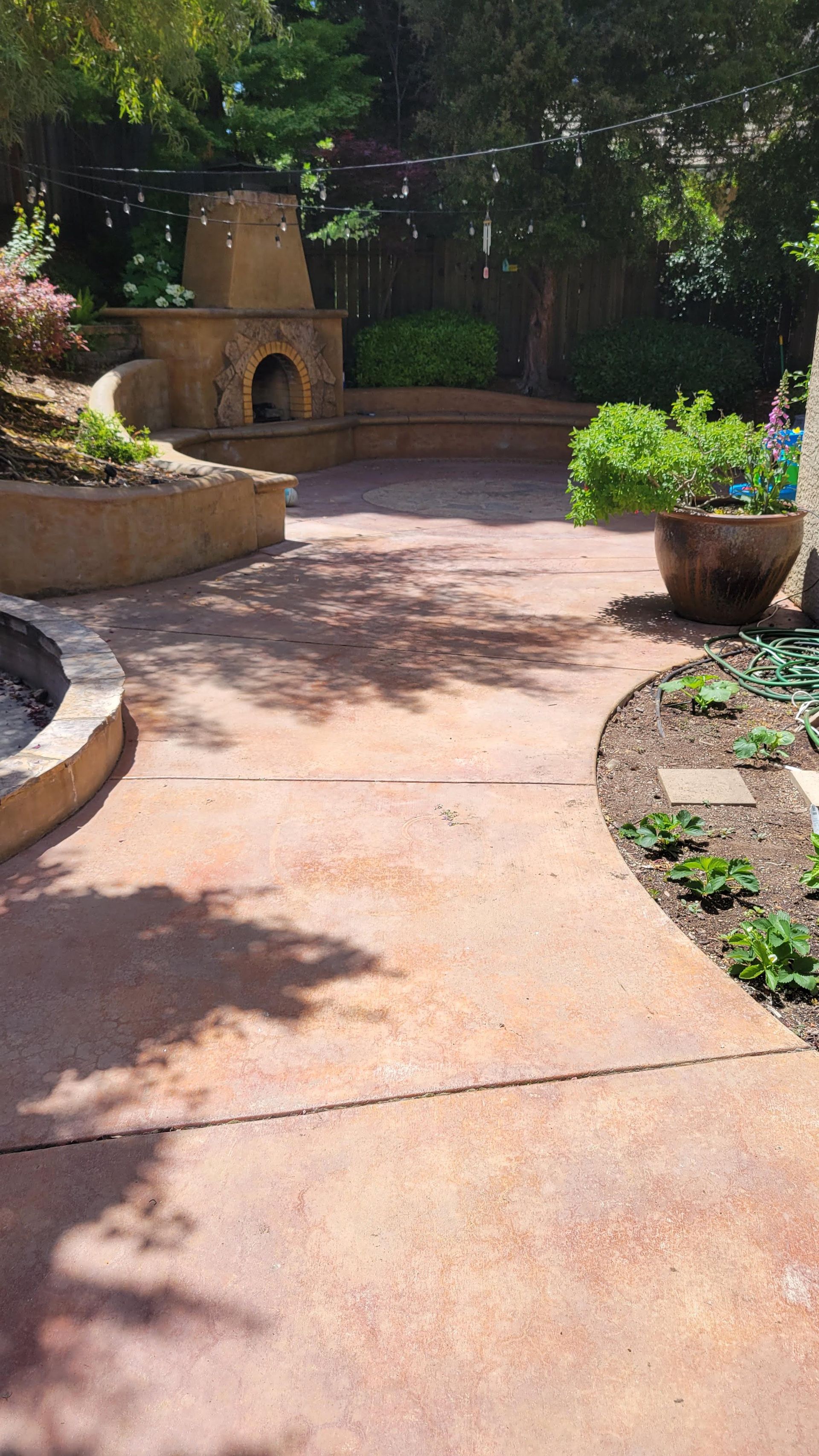
Choosing a method is only half the decision, since the palette, contrast, and layout you select determine whether colored concrete blends quietly into your property or becomes a feature that guests notice first.
01
Earth Tone Palettes
Sand, buff, adobe, and terra-cotta shades echo the Spanish, Mediterranean, and ranch architecture common across Southern California. These warm hues hide dust and grit well, stay cooler underfoot than dark colors, and age gracefully alongside clay tile and stone.
02
Contemporary Grays and Charcoals
Modern homes often call for cool gray, graphite, or near-black concrete with crisp lines. Darker shades absorb more heat in full sun, so we steer them toward covered patios, entries, and shaded courtyards where the look works without the burn.
03
Two-Tone Borders and Bands
Contrasting bands frame a driveway, outline a patio, or mark the edge of a walkway. A deep border around a pale field adds definition, and the combination can repeat colors already found on your trim, shutters, or front door.
04
Uniform or Variegated Color
Some homeowners want perfectly even color, while others prefer the gentle movement of acid stain or layered tones. We talk through that preference early, because it decides whether integral color, hardener, stain, or a combination makes the most sense.
05
Coordinated Color Across Surfaces
Driveways, walks, steps, and patios placed months apart can still share one palette. Keeping the pigment, dosage, and finishing method consistent from pour to pour helps later additions stay in the same color family as the original work.
06
Antiqued Highlights
Layering a translucent antiquing wash or second stain over a base color adds depth, darkening low spots and joints while high points stay bright. The technique gives new concrete a softly aged, hand-finished appearance that suits courtyards and entries.
WHO WE ARE
Proof Sits Right Next to Your Existing Concrete
Matching color is the hardest test in decorative concrete, and it is the one we enjoy most. As a family-owned team of decorative specialists, we weigh pigment options against your current slabs and exterior finishes in daylight before settling on a formula. We keep mix water consistent at the pour, cure every section the same way, and explain how the tone will shift as the concrete dries. Residential and commercial clients alike get clear timelines and straight answers. Request an estimate through our contact page.
Why Choose INFINITE CONCRETE CREATIONS, INC.
Built On Trust & Craftsmanship
01
Quality Concrete Craftsmanship
We take pride in delivering durable, high-quality concrete work built with skilled craftsmanship and dependable materials. Every project is completed with long-term performance and appearance in mind.
02
Personalized Custom Designs
We tailor each project to the property and the client's vision, offering a wide variety of customizable colors, textures, patterns, and finishes. We can mix and match design elements to create concrete work that is truly unique.
03
Precision in Every Detail
We approach every project with careful planning and precise attention to detail, from preparation and forming to finishing and final cleanup. Our goal is a clean, professional result that reflects the quality of our work.
04
Experienced Certified Professionals
Our team brings extensive hands-on experience, specialized skills, and professional credentials to every project. We use proven techniques and industry knowledge to complete concrete projects safely, accurately, and professionally.
FAQs - Frequently Asked Questions
Does colored concrete fade in the sun?
Integrally colored concrete made with iron oxide pigment holds its tone well, because those pigments are highly UV-stable. What often looks like fading is dirt, efflorescence, or worn sealer, which cleaning and resealing usually correct without any recoloring.
What is the difference between integral color and concrete stain?
Placement is the main difference. Integral color is mixed into the concrete and runs through the entire slab, while stain is applied to the cured surface and colors only the top layer, often with more natural variation from spot to spot.
Can new colored concrete match an existing slab?
A close match is possible, though rarely exact. INFINITE CONCRETE CREATIONS, INC. compares weathered concrete in San Fernando, CA, against pigment options and can fine-tune new work with stain after curing, since cement source and batch variation affect every pour.
Why does colored concrete look blotchy?
Uneven color usually comes from water added during finishing, calcium chloride accelerators, or plastic sheeting laid directly on the slab, which traps moisture in patches. Steady mix water, careful finishing, and uniform curing across the whole slab are the best defenses.
Does colored concrete get lighter as it cures?
Yes, concrete lightens as moisture leaves it, so fresh color looks deeper on pour day than it will weeks later. Judging the final shade too early can mislead you, and a sealer will deepen the tone again slightly.
Can you add color to existing concrete?
Stains are the usual route, since integral pigment only works in fresh concrete. Acid stains react with the surface for mottled earth tones, water-based stains offer wider color choices, and both need clean, unsealed concrete to absorb properly.
Does sealing change the color of concrete?
Film-forming sealers typically darken colored concrete to roughly its wet appearance and add a slight sheen, which many owners like. Penetrating sealers change the look far less, so the choice depends on whether you want richer color or a softer tone.
Which concrete color is best for a hot climate?
Lighter shades such as sand, buff, and pale gray stay cooler underfoot and show less dust. INFINITE CONCRETE CREATIONS, INC. often recommends them for pool decks and patios in San Fernando, CA, saving darker colors for shaded or covered areas.
Color That Feels Like It Was Always Part Of Your Home
Gray is the default, not a requirement. Tinted concrete lets a driveway echo your roof tile, a patio pick up the warmth of garden stone, or a walkway frame the entry in a deeper shade. INFINITE CONCRETE CREATIONS, INC. blends pigments, hardeners, and stains for properties throughout San Fernando, CA, then protects each surface with a sealer suited to our sunny climate. Collect a few photos of colors you love, note the finishes already on your home, and move at whatever pace feels comfortable. When you want a closer look at options, send us a note via the estimate request form or our contact page, and we will plan a visit.